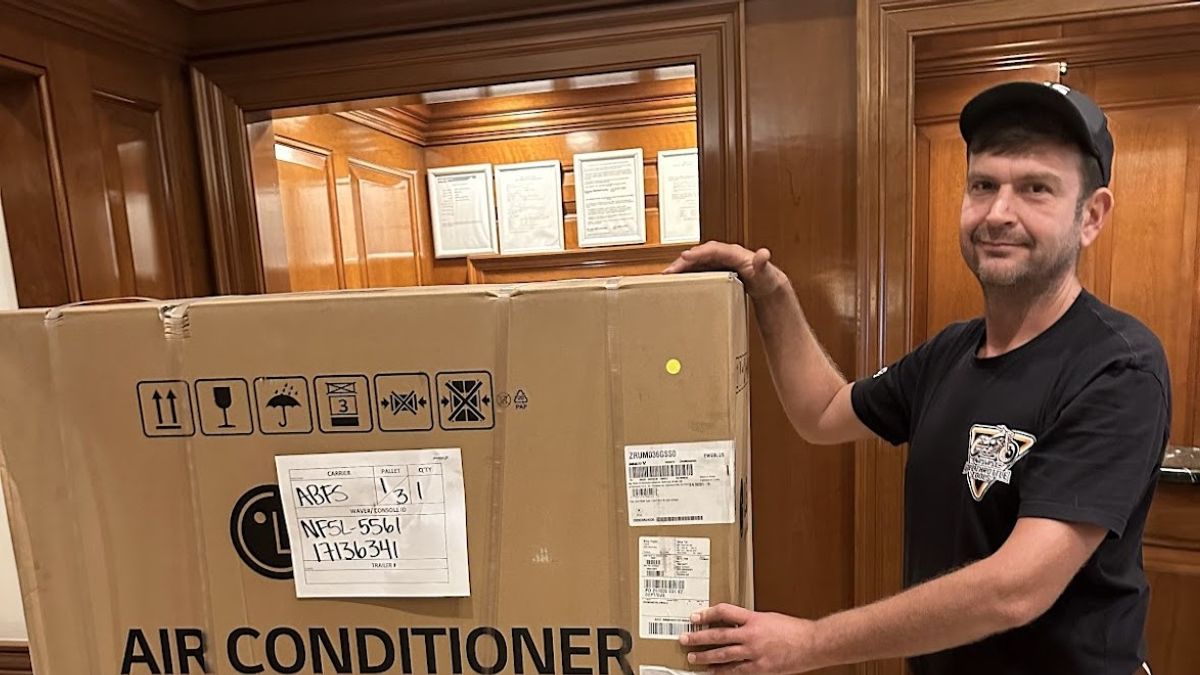
Selecting the right HVAC system is one of the most important investments you'll make for your home. The right system keeps your family comfortable year-round while minimizing energy costs. Here's what you need to know.
Understanding HVAC System Types
There are several main types of HVAC systems available for residential properties. Each has distinct advantages depending on your home's layout, climate needs, and budget.
- Central Air Conditioning — Best for homes with existing ductwork. Cools the entire house evenly through a network of ducts and vents.
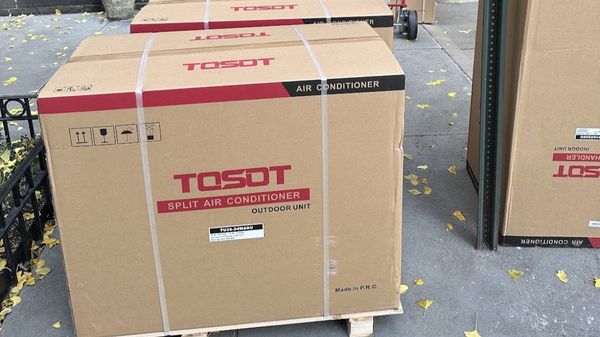
- Ductless Mini-Splits — Ideal for homes without ductwork or for zone-based cooling. Each unit controls temperature independently.
- Heat Pumps — Highly efficient systems that both heat and cool. They transfer heat rather than generating it, reducing energy consumption by up to 50%.
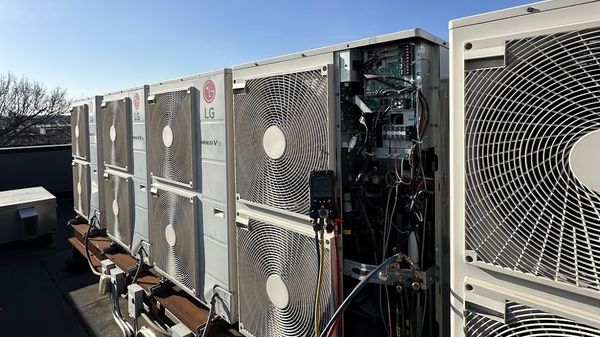
- VRV/VRF Systems — Premium commercial-grade systems ideal for larger homes or multi-zone requirements. Offer the best efficiency and precise temperature control.
Sizing Your System Correctly
One of the biggest mistakes homeowners make is choosing an incorrectly sized system. An oversized unit will short-cycle — turning on and off frequently — leading to uneven temperatures and higher energy bills. An undersized unit will run constantly without reaching your desired temperature.
A professional Manual J load calculation considers your home's square footage, insulation levels, window placement, and local climate to determine the exact BTU capacity you need. At Art HVAC, we perform this calculation on every installation project — learn more about our process.
A properly sized HVAC system can reduce your energy bills by 20-40% compared to an incorrectly sized unit. Never skip the load calculation.
Energy Efficiency Ratings Explained
When comparing systems, pay attention to these key efficiency ratings:
- SEER2 (Seasonal Energy Efficiency Ratio) — Measures cooling efficiency. Look for SEER2 15+ for good efficiency, 20+ for premium.
- HSPF2 (Heating Seasonal Performance Factor) — Measures heating efficiency for heat pumps. Aim for HSPF2 8.5+ in cold climates.
- ENERGY STAR Certification — Meets strict EPA guidelines. Often qualifies for rebates and tax credits.
Making Your Decision
The best HVAC system for your home depends on your specific situation. Consider your budget, energy goals, existing infrastructure, and long-term plans. Always get at least two professional quotes and ask about warranty coverage, maintenance plans, and available financing options.